

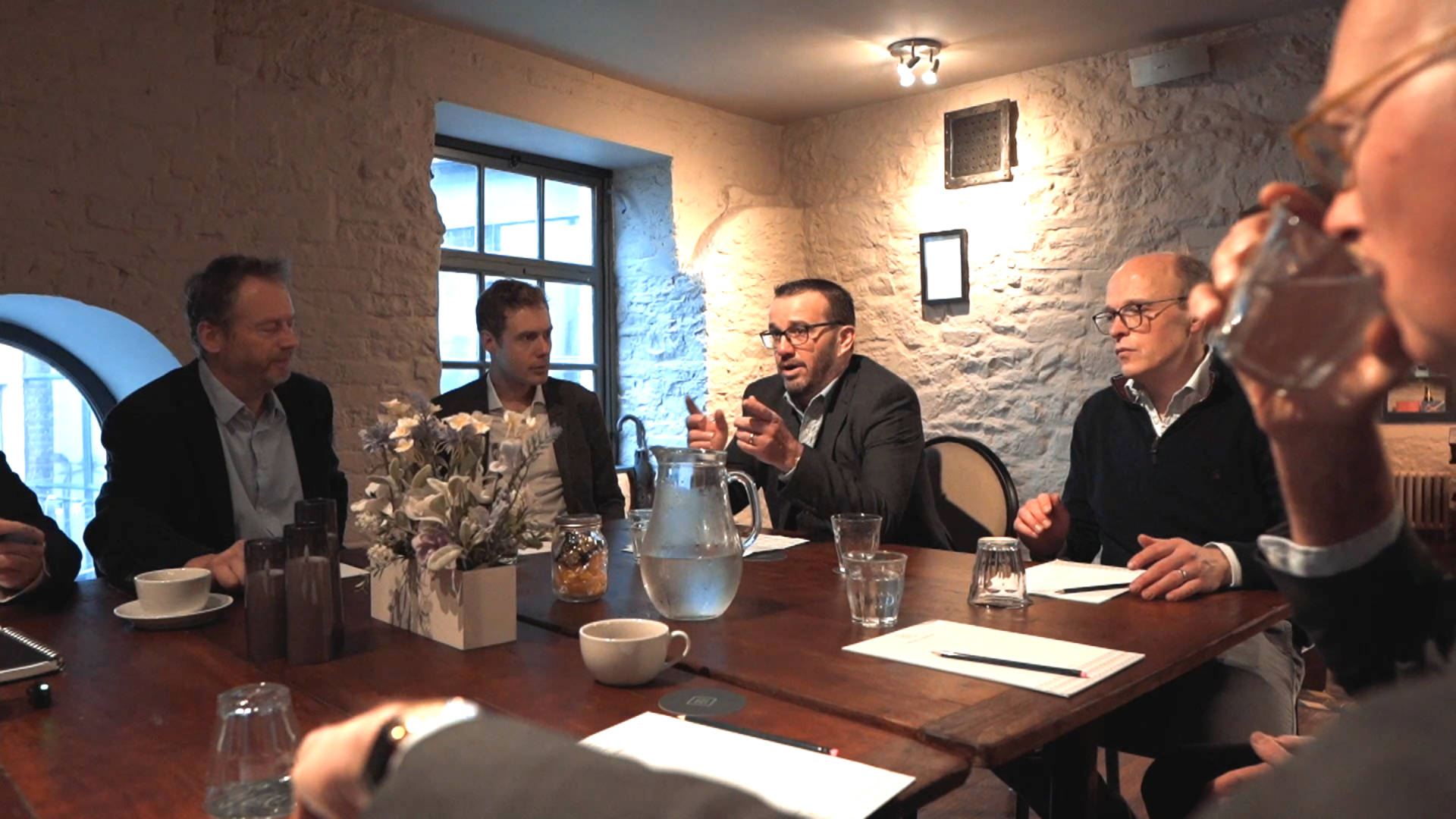
At a recent roundtable hosted by Hodge in Bristol, developers, funders, legal advisers and property specialists came together to discuss how the development landscape has changed in recent years, and where opportunities may emerge next.
The discussion explored a central question: how is the industry adapting to today’s challenges, and where does value lie in the current market?
While the sector faces significant pressure, the conversation revealed a resilient industry actively rethinking risk, funding and partnerships.
A market under strain
Recent years have tested the development sector like few periods in recent memory.
Build costs remain elevated, sales rates have slowed, planning timelines have lengthened and funding structures, many shaped in the aftermath of the 2008 financial crisis, have struggled to keep pace with the realities of today’s market.
For SME developers in particular, the pressure is acute. Slower sales mean prolonged exposure to development finance interest. Planning delays add months or, worst-case scenario, years, to programmes. Equity is tied up for longer.
Stuart Dawkins, head of development finance at Homes England, said:
“Development today is materially more challenging than it was 15 years ago. The planning system has become slower, more complex and significantly more expensive, with prolonged delays adding further pressure to viability.”
He added that the historic 20% profit-on-cost benchmark is now rarely achievable on many schemes.
Relationships as the real currency
Despite these pressures, one theme consistently emerged throughout the discussion: relationships matter more than ever. In a volatile environment, rigid structures rarely work. Deals are increasingly being unlocked through flexible approaches, including deferred land payments, joint ventures and revised funding structures. Strong collaboration between developers, funders and landowners is becoming essential to navigating market uncertainty.
Alex Maltby, investment director at the Housing Growth Partnership, said:
“In today’s market, success depends on being both opportunistic and highly adaptable. Without strong, trusted relationships across the sector, otherwise viable sites risk stalling.”
The planning bottleneck
Planning remains one of the most significant sources of friction.
Participants highlighted challenges including under-resourced local authorities, extended discharge processes and increasing regulatory requirements.
While some participants noted signs of pragmatism emerging in certain areas, there was broad agreement that meaningful planning reform will be critical to improving housing delivery.
Funding models under scrutiny
Another major theme centred on the suitability of existing development finance structures. Many funding models remain largely unchanged despite rising costs and longer delivery cycles. Residential development lending continues to carry significant regulatory capital requirements, making it capital-intensive for lenders and expensive for borrowers.
The roundtable raised an important question: does the current funding ecosystem reflect the realities of modern development?
Participants highlighted a need for:
- More flexible capital structures
- Greater collaboration between lenders
- Equity-style participation models
Stuart Dawkins was passionate about this subject, saying:
“Too much upfront capital is required before debt is unlocked, and banks remain overly risk-averse. Current funding models don’t reflect what SME developers actually need to deliver schemes successfully and profitably. We need more flexible structures, such as fully funded models or interest-supported facilities with shared equity, as opposed to the current one-size-fits-all approach. Greater confidence in the projects we’re backing would help strengthen developer balance sheets and build long-term resilience across the sector.”
Where opportunity lies
Despite the challenges, opportunities remain, although they are becoming more selective. Areas highlighted during the discussion included:
- Emerging build-to-rent markets
- Conversion and repurposing opportunities
- More realistic land pricing
- Later living and alternative residential products
Andrew Keay, director at Savills, noted that activity has picked up in early 2026 but viability challenges remain, particularly in city-centre schemes.
“The market has shown stronger levels of activity so far in 2026 but maintaining that momentum will require sustained effort. Build cost inflation continues to undermine viability, with many schemes, particularly evident in city centres, simply not stacking up. As a result, developers are gravitating towards suburban and greenfield sites, where cost dynamics and sales values are more aligned. The majority of new-build supply in 2026 will likely come from these lower-risk locations.”
A structural shift
Perhaps the strongest takeaway from the discussion was that the industry is not simply waiting for conditions to return to previous norms.
Instead, the sector appears to be adapting to a more fundamental reset.
Developers likely to succeed in the current environment are those prioritising balance sheet resilience, disciplined land acquisition and strong funding relationships.
As Alex Maltby concluded:
“The structural imbalance between supply and demand in the housing market endures and this ultimately underpins long-term value.”
The market may be more challenging, but demand for homes remains constant.
And that enduring demand continues to shape the future of residential development.
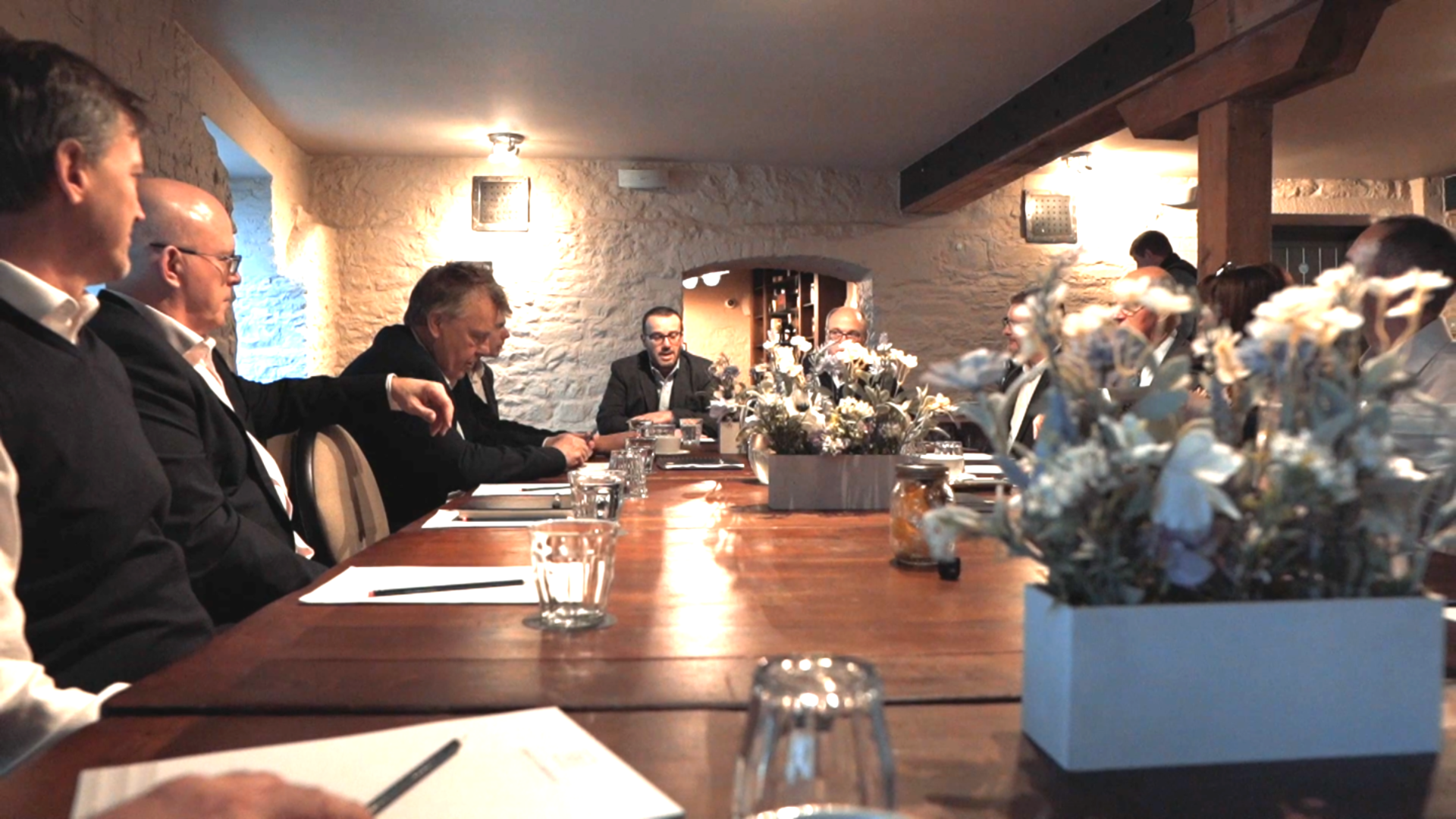
Rethinking development, risk and relationships in action
Guests
- Stuart Dawkins, Homes England
- Alex Maltby , Housing Growth Partnership
- Dominic Macer , Iesis Group
- Robin Faber, Ashfield Land
- Francis Firmstone, Firmstone Developments
- Robert Moore, ORM Developments
- Paul Clark, Burges Salmon
- Robert, Parr-HeadSavills
- Andrew Keay , Savills
- Peter Cumming, Naismiths
Hodge REF team
- Gareth Davies, senior bdm
- Jon Hankins, senior relationship manager
- Jayne Edwards , senior relationship manager
- Martin Crossley, telephone bdm
- Iain Bryson, bdm