
Please note we’re in a rate change environment, which means rates are not currently available for new DIPs. Updated rates will be available from 9am Thursday 19th November.
If you have an accepted DIP you wish to proceed to application before the changes take effect, these are still available in HOLMES for you to do so until 5pm today.

Your client may be approaching retirement, already retired or planning to change how they work. But when their income is changing, it can be harder to show that a mortgage will remain affordable.
Looking at how their income works now, and how it may change over time, can open up options that fit their plans. That’s why we consider current and future income together, including employment, pensions, investments and rental income.

Could this be your client?
They may be working later in life, moving towards retirement or already relying on retirement income – with circumstances that don’t fit neatly into a standard affordability model.

Approaching retirement
They're still working, but their mortgage will run into retirement and their future income needs to support the borrowing.

Working later in life
They're planning to continue working beyond the age you may normally expect to retire, with income that may need a more individual assessment.

A changing income picture
Their income could come from employment, pensions, investments or rental property – and a fuller view of their finances may be needed.
What we can offer clients moving into retirement
We’ll look at the following things to make sure we understand the whole picture.
- Repayment or interest-only options, depending on their circumstances
- Current and future income considered together
- Employment and self-employed income, including earned income up to age 80
- State, personal and company pensions, including future entitlements
- Investment and rental income
- Multiple income sources alongside their wider circumstances
- Mortgage terms that can run into retirement
- Individual manual underwriting.
CASE STUDY: Meet Margaret and Kwame
Margaret and Kwame wanted to buy a new home later in life, while also consolidating existing debt. They needed a substantial amount to make the move work, with several sources of income to consider and borrowing at a level that was higher than many lenders would support in retirement.
Understanding the borrower
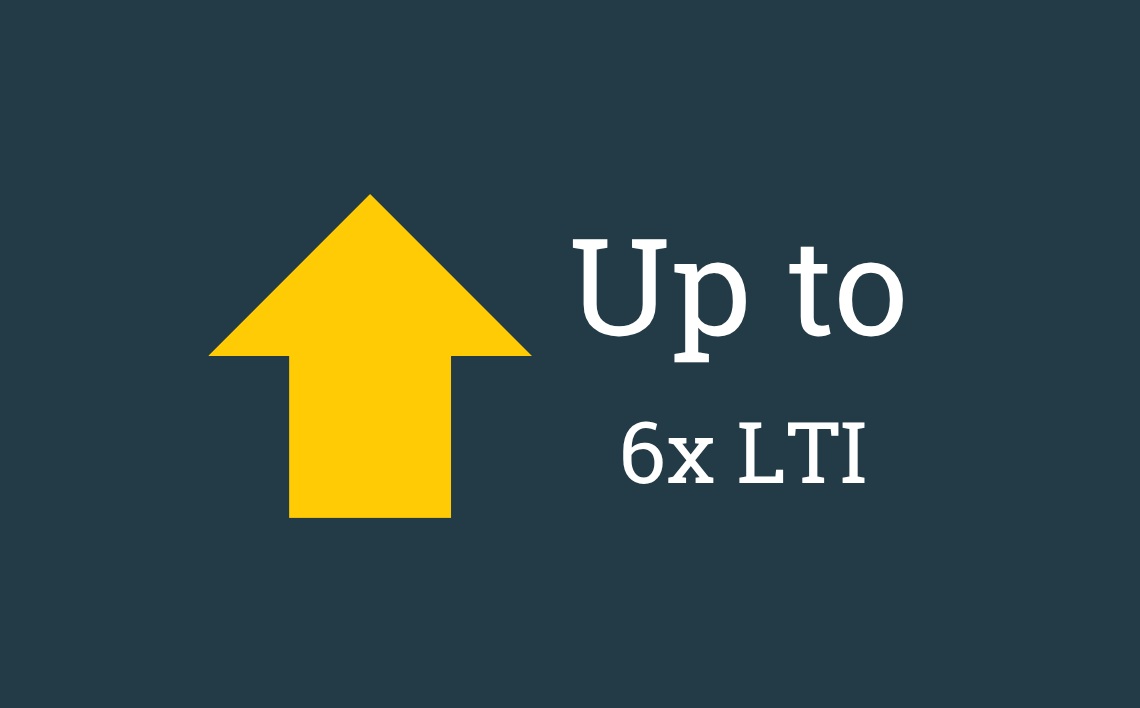
Their broker talked through their circumstances with Hodge, including their different sources of income, employment history and existing financial commitments. Rather than looking at their retirement income in isolation, Hodge considered the wider picture, including their history of maintaining borrowing commitments that were greater than the proposed mortgage payment. This supported lending at 6x LTI.
Hodge was able to support a £675,000 mortgage on a £1.4 million property, allowing Margaret and Kwame to buy their new home while consolidating their existing debt. For their broker, it meant having a lender prepared to consider their income, assets and future plans together – rather than relying solely on standard retirement lending limits.
What made the difference?
The difference can be in the conversation. Your BDM can work through the case with you, ask questions, and bring in an underwriter where there’s more to consider. Margaret and Kwame needed a lender prepared to look at the full picture: their income and assets, their existing commitments and what they wanted to achieve from their move.
-

A purchase later in life
They were buying a new home later in life while also looking to consolidate existing debt.
-

More borrowing flexibility
Their circumstances supported borrowing at 6x LTI, helping them secure the level of borrowing they needed.
-

Individual underwriting
Hodge considered their income, assets and future plans together, balancing their circumstances with the proposed borrowing.
Key criteria for clients moving into retirement
Offering more opportunities to access lending later in life.
-
Repayment or interest-only
Clients can access repayment or interest-only borrowing, with the right approach depending on their circumstances and the type of lending.
-
Up to age 88
We’ll consider qualifying later life applications up to age 88, giving older clients more opportunity to borrow where affordability supports it.
-

Current and future income
Affordability can take account of employment, pensions, investments and rental income, helping build a fuller picture of what your client can afford over the mortgage term.

A case worth talking through
55% of brokers say case-by-case underwriting is the most important thing when placing specialist cases.
With Hodge, you can talk through the case with your BDM before you submit. If there’s more to understand, an underwriter can get involved too.
We’re proud brokers feel we’re always “looking for ways to make a case work rather than reasons to decline”.
